
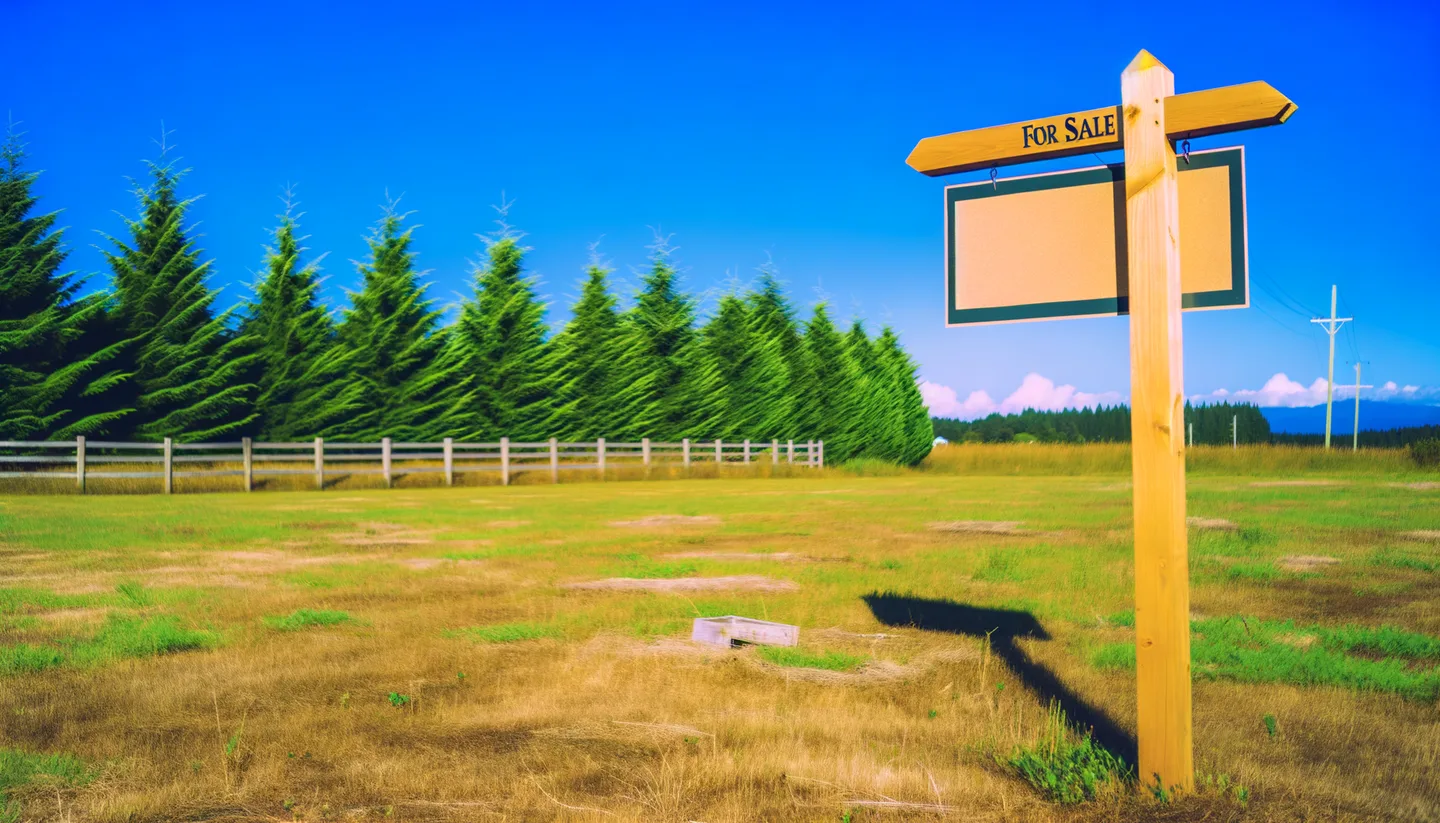
Selling Land Without A Realtor: Landowner Guide (2026)
What You Need to Know About Selling Vacant Land Without A Realtor
Yes, you can sell land without a realtor, and many landowners do it successfully every year. There is no federal law requiring you to hire an agent to sell your property. Choosing to sell land on your own without professional representation means you keep more of the proceeds, but it also means taking on more responsibility throughout the process.
Selling raw land comes with a learning curve. The land market is more specialized than residential real estate, and finding the right buyer often takes longer. Before you list your land, it helps to understand what the process involves: preparing the land to sell, researching comparable vacant land parcels nearby, setting a realistic market value, and marketing your parcel directly to interested buyers.
This guide walks you through each of those steps so you can move forward with confidence. Whether you plan to sell without a realtor from start to finish or just want to understand your options, knowing how the process works puts you in a stronger position when a land buyer comes to the table.
Pricing Your Land: Background and Context
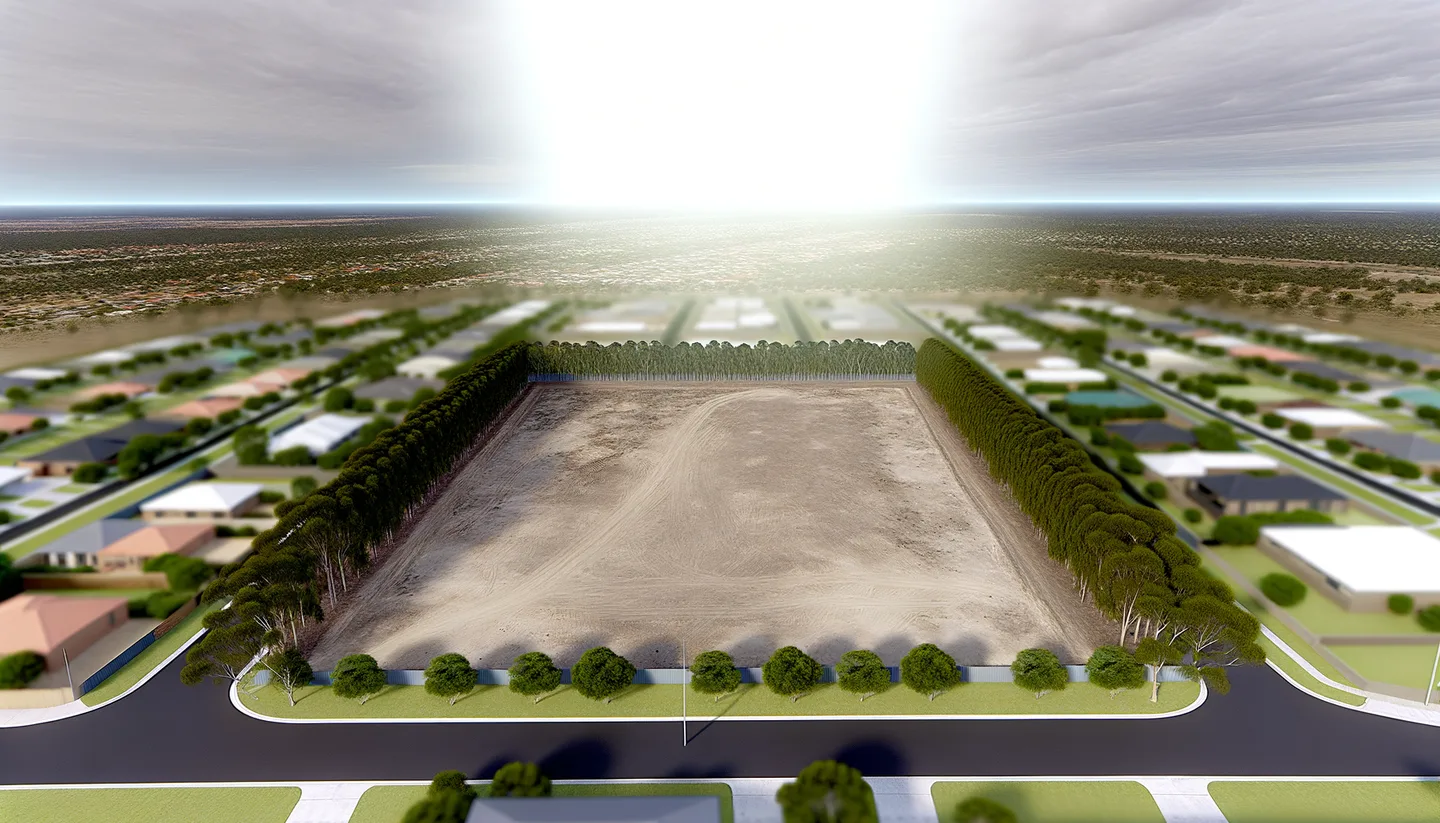
Pricing land is one of the most important, and most underestimated, steps when you choose to sell your land without a real estate agent. Unlike homes, which have abundant sales data and standardized features, undeveloped land varies enormously by location, access, zoning, soil quality, and permitted uses. Two parcels sitting side by side can carry very different values based on what a buyer can actually do with each one.
When selling land by owner, you lose the built-in market knowledge that an experienced agent brings. That does not mean you cannot price your parcel accurately, but it does mean you need to do your homework. Start by researching land parcels in your area that have recently sold. Look at land listings on platforms like LandWatch, Lands of America, and Land And Farm. Pay attention to price per acre, days on market, and how the properties compare to yours in terms of size, access, and zoning.
Hiring a land appraiser is worth considering if your parcel is large, has complex features, or if you simply need an objective number before listing land online. A professional appraisal typically costs a few hundred dollars and gives you a defensible starting point when land offers come in. It also signals to buyers that you have priced the piece of land seriously.
Pricing is also shaped by the type of property you own. Selling hunting property, for instance, calls for a different approach than marketing a lot in a developing suburb. Niche land categories attract niche buyers, and understanding your buyer pool helps you set a number that generates real interest. According to the USDA's National Agricultural Statistics Service, U.S. farm real estate averaged $4,350 per acre in 2025, with cropland averaging $5,830 per acre and pastureland at $1,920 per acre. These figures are useful benchmarks, but rural agricultural land and residential development parcels follow different market dynamics.
One practical step often overlooked in selling land without an agent is consulting a real estate attorney when selling. An attorney familiar with vacant land sales in your state can review any contracts, flag title issues, and help you avoid costly mistakes. This is especially helpful for first-time FSBO sellers who are unfamiliar with the legal steps to sell land independently. Think of an attorney not as an optional expense but as a reasonable safeguard, particularly if interested land buyers start making offers quickly and the transaction moves fast.
Understanding local zoning and land use restrictions also affects how you price and market your property. If the parcel allows for residential construction, commercial development, or agricultural use, those permitted uses directly influence what a motivated buyer will pay. Knowing these details before you sell your property makes the entire process smoother.
Step-by-Step: How to Sell Vacant Land Without A Realtor

Selling vacant land without professional representation is entirely doable when you approach it methodically. Here is a practical breakdown of the process.
Step 1: Decide whether FSBO is right for you. Before anything else, weigh the pros and cons of selling without an agent. The biggest advantage is avoiding agent commissions. According to List With Clever, real estate agent commissions on vacant land sales typically range from 5% to 10% of the sale price, which is notably higher than the standard rate on home sales. If you are looking to sell and want to save on commission fees, handling the sale yourself can mean keeping thousands of dollars that would otherwise go to a real estate agent. The trade-off is your time and the complexity of managing the transaction independently.
Step 2: Gather everything you know about the land you want to sell. Pull together your deed, survey, property tax records, zoning documentation, and any information about utilities or easements. Buyers will ask, and having answers ready builds credibility and speeds up the process.
Step 3: Price the parcel based on real data. As covered in the previous section, research comparable sales and consider a professional appraisal. Overpricing is the most common reason land sits unsold for months.
Step 4: Market your parcel where land buyers are actually looking. Marketing land without a real estate agent means taking on the promotion yourself. List on dedicated land marketplaces, post on Craigslist and Facebook Marketplace, and consider placing a sign on the property if it has road frontage. Sites like Zillow reach a broad audience and are worth using, though they are less specialized than dedicated land platforms. If the parcel has unique appeal, such as a hunting property or a parcel with water access, target relevant online communities and forums where those buyers spend time.
Step 5: Consider a land auction. Auctions can work well for hard-to-price or unique parcels. They create urgency and can attract multiple competitive bidders. Online auction platforms have expanded considerably in recent years and are worth exploring if traditional listing methods are not generating traction.
Step 6: Review offers and negotiate. When offers arrive, evaluate them on more than just price. All-cash offers with no financing contingency are often preferable because they tend to close quickly and carry less risk of falling through.
Step 7: Open escrow and close. Work with a reputable title company or real estate attorney to handle closing. They will manage the title search, coordinate the deed transfer, and file the required IRS Form 1099-S. For surrounding land use considerations or any environmental concerns, get those addressed before the closing date.
Potential Challenges With Cash Offers
Cash offers can feel like the simplest path to closing, but selling vacant land for cash comes with its own set of complications. Understanding these ahead of time helps you navigate them without unnecessary stress.
Low initial offers are common. Buyers who purchase vacant land quickly, especially investors, typically come in below market. They are factoring in holding costs, risk, and the effort of eventually reselling or developing the parcel. Knowing prices for comparable vacant land in your area gives you a factual basis to counter low offers rather than guessing.
Paperwork for selling land is more involved than many sellers expect. Selling vacant land is different from selling a home in some important ways. There is no home inspection contingency to manage, but there are zoning confirmations, survey requirements, title searches, and environmental disclosures to consider. You will need a purchase agreement that is specific to land transactions, not a standard residential contract. Without a realtor means you will need to source that document yourself, typically through a real estate attorney or a state-approved form.
Title issues can surface late. A parcel of land that has passed through multiple owners over the decades may carry old liens, unclear easements, or gaps in the chain of title. A title search handles this, but it takes time. Being ready to sell does not mean being in a rush to skip steps that protect you legally.
Buyers may lack financing. Many traditional lenders are reluctant to finance raw land, which is one reason cash purchases are common in this space. However, not every cash buyer has verified funds. Before you take your parcel off the market, ask for proof of funds from any serious buyer.
You may need outside help to highlight land features effectively. Drone photography, soil reports, and survey maps can make a real difference in how buyers perceive your parcel. Land professionals such as surveyors, environmental consultants, and zoning specialists can provide documentation that builds buyer confidence and supports your asking price.
A realtor may handle some of these details automatically in a traditional sale. When you sell vacant land by owner, you take on that coordination role. With preparation and the right professionals in your corner, it is entirely manageable. Take time to learn how to sell your parcel properly before listing, and you will be far better positioned for a successful land transaction.
Land By Owner FAQ for Landowners
What is the best way to sell vacant land?
The best way to sell vacant land depends on your priorities. If maximizing your net proceeds matters most, selling without an agent gives you the advantage of avoiding commission fees, which can reach 5-10% of the sale price on land transactions. If speed is the priority, accepting a cash offer from a land buyer or using an auction platform can move the process along faster. A combination approach works well for many sellers: list on specialized land marketplaces to find retail buyers, and keep an open mind about cash offers if your timeline is tight.
How to avoid capital gains on selling vacant land?
Completely avoiding capital gains is rarely possible, but there are legal strategies to reduce what you owe. If you held the property for more than one year, your profits qualify for long-term capital gains rates, which are significantly lower than ordinary income rates. For tax year 2025, the IRS sets the long-term capital gains rate at 0% for lower-income taxpayers, 15% for most individuals, and 20% for higher earners, according to IRS Topic No. 409. A 1031 exchange allows you to defer gains by reinvesting proceeds into a like-kind property. If the land is adjacent to your primary residence, IRS Publication 523 may allow you to apply the home-sale exclusion under specific conditions. Always consult a tax professional before finalizing your sale.
Can I sell land without a realtor?
Yes. Selling without an agent is completely legal in every U.S. state. Land without a realtor means you handle pricing, marketing, negotiation, and closing coordination yourself. Land ownership transfers through deed and title, not through any requirement for agent involvement. Many landowners successfully complete FSBO land transactions every year, particularly when they work with a title company and a real estate attorney to manage the legal side.
How do I determine a fair selling price for my land?
To price your land accurately, start with comparable sales in your area, look at similar parcels that have recently closed. Online land marketplaces publish asking prices, but actual sale prices give you a more reliable picture. Hiring a land appraiser provides a professional, defensible valuation. You can also consult with a specialized land broker for a market opinion without committing to a full listing agreement. Zoning, access, utilities, and surrounding development all influence value significantly.
How much can I sell your land for without a realtor?
Your land requires no discount simply because you are selling without an agent. Market value is set by what buyers will pay, not by whether you have representation. The advantage of selling without an agent is that you keep the commission, which can range from 5% to 10% on land sales. That said, cons of selling without professional help include the risk of mispricing or accepting a below-market cash offer due to limited experience. Knowing your market and getting a professional appraisal helps you set a number that is both competitive and fair. A way to sell that works financially is one where you understand your costs and your bottom line before negotiations begin.
Ready to Sell Land By Owner? Next Steps
Selling land without a real estate agent is a realistic option for most landowners. You keep more of the sale proceeds, control the timeline, and deal directly with buyers. The key is going in prepared: know your parcel, price it honestly, and handle the paperwork correctly.
Working with a real estate attorney at closing protects you legally and ensures the land sale is documented properly. The IRS requires all real estate sales to be reported on Form 1099-S, so make sure that step is not overlooked in a private transaction.
Selling land without an agent takes more effort than handing the process off, but for many landowners the financial and personal control is worth it. If you have questions about your specific situation or want to explore what your property might be worth, we are happy to help. Reach out to our team for a no-pressure conversation about your options.
Need to sell your land? We buy land directly from owners for cash, with no fees, no commissions, and we close in as little as 2 weeks.
Loading form...
Sell Your Your Area Land for Cash
Ready to sell? We buy land directly from owners across Your Area. Get a fast, no-obligation cash offer.