
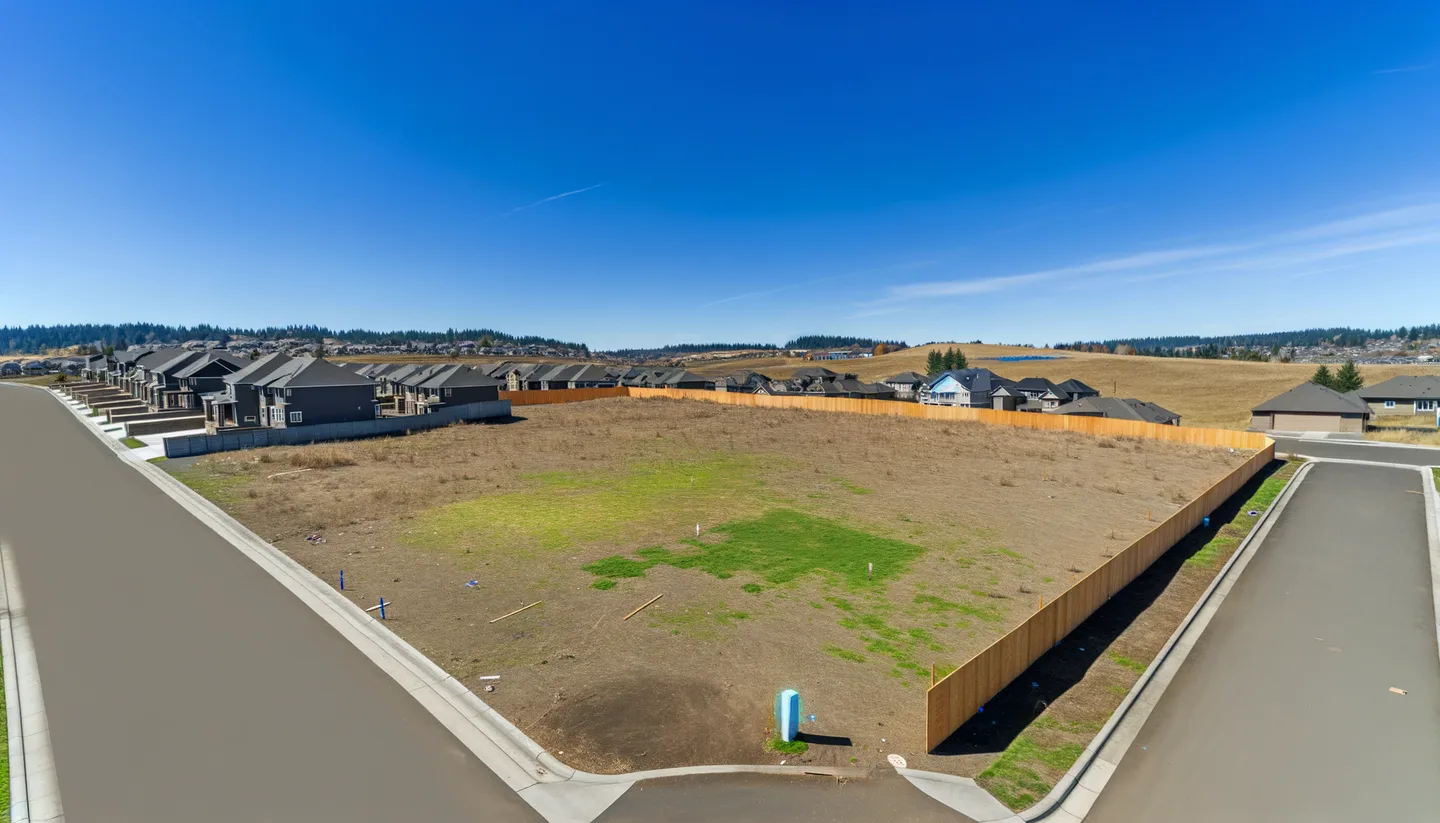
How to Sell Land To A Developer for Cash
Selling Land To A Developer: The Basics
If you want to sell your land to developers, the process is more involved than a typical home sale but often more rewarding financially. Developers buy raw land with a specific purpose in mind -- residential subdivisions, commercial centers, industrial facilities, or mixed-use communities. What makes a parcel attractive to a developer comes down to a few core factors: location, size, access to utilities, and zoning laws that either already allow development or can realistically be changed.
Understanding what a developer looks for before you list your property puts you in a much stronger negotiating position. Most developers will conduct extensive due diligence on any parcel they consider, so the more prepared you are, the smoother the transaction will be. Knowing your land's current zoning classification, any environmental concerns, and nearby infrastructure is a smart starting point when you're ready to sell your land.
Background: Selling Land To A Developer
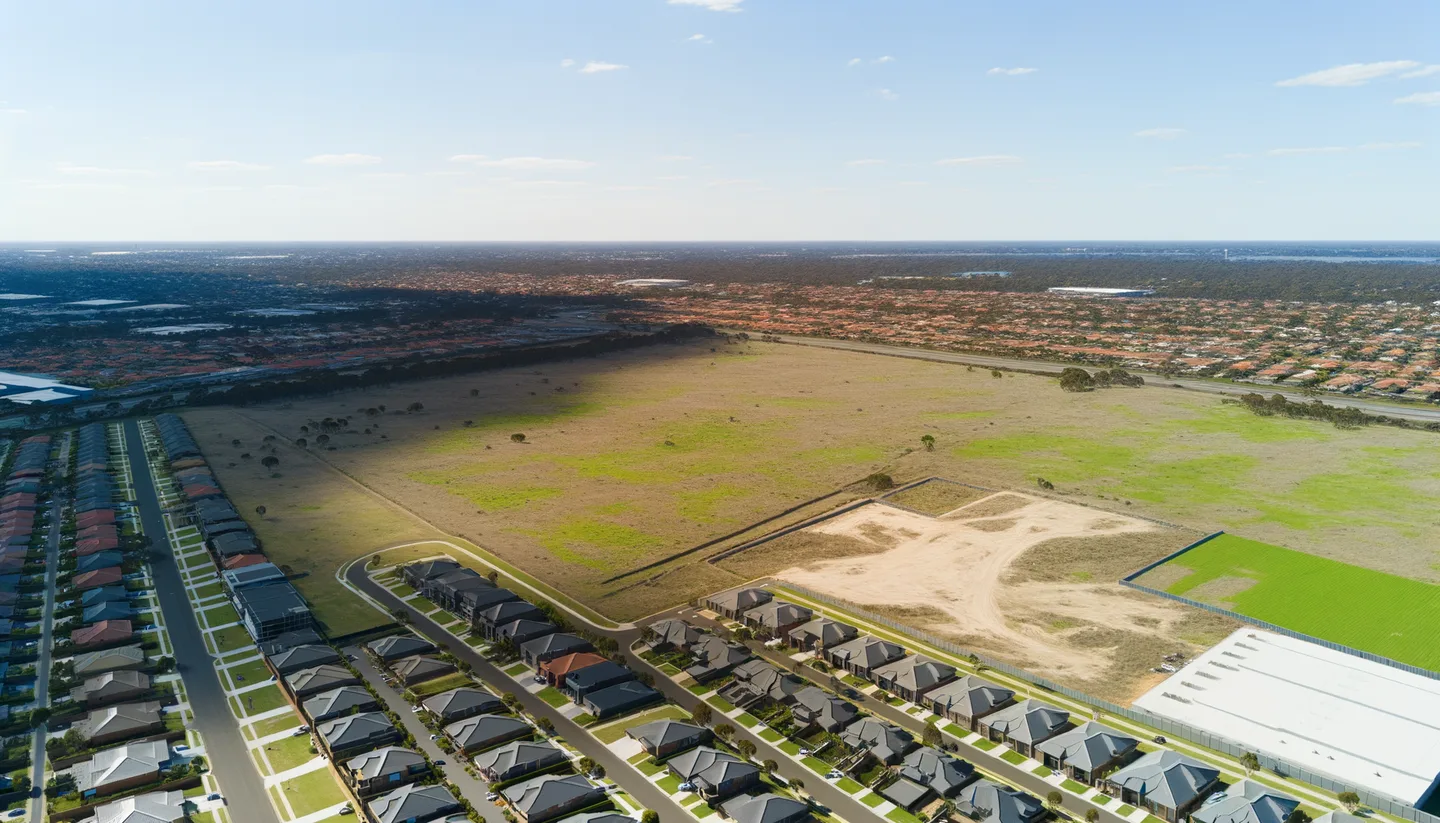
The landscape has shifted significantly in recent years for landowners looking to sell. Rising construction costs, limited buildable inventory, and growing demand for housing have pushed land developers to actively scout properties they might have overlooked a decade ago. Even rural or semi-rural parcels now attract interest from developers pursuing affordable housing projects or logistics facilities.
Unlike selling a house, land selling involves a different set of variables. A landowner must understand that the value of your land is not just what it is today -- it's what it could become. Developers often evaluate a parcel based on its potential use after rezoning or infrastructure investment, not its current state. That means market conditions, local growth trends, and proximity to transportation corridors all factor heavily into a developer's purchase price calculation.
The sale process typically begins when a real estate developer or their acquisition team identifies a parcel that fits their development pipeline. From there, land acquisition moves through several stages: initial offer, feasibility study, due diligence, and closing. Some transactions are straightforward cash deals. Others are more complex arrangements such as joint ventures or option agreements, where the developer secures the right to buy the property at a later date -- often after obtaining necessary permits from local authorities.
Understanding your local real estate market is equally important. A market analysis of comparable sales in your area helps establish realistic expectations. Potential developers will negotiate hard, so knowing what similar parcels have sold for gives you leverage. Environmental conditions also play a role -- wetlands, flood zones, or contaminated soil can slow or derail a sale if they're discovered during due diligence.
Mixed-use zoning areas and land for development near growing metros tend to command the strongest interest from land buyers. The more you understand about your parcel's realistic development potential, the better positioned you'll be throughout the entire selling process.
Step-by-Step: How to Sell Land To A Developer
Ready to sell land to a developer? Here is a practical walkthrough of how the process typically unfolds.
1. Know what you own. Before reaching out to potential buyers, gather the basics: your parcel's acreage, current zoning classification, access points, survey records, and any existing liens or easements. Property owners who walk into negotiations prepared tend to close faster and on better terms.
2. Understand how your parcel is zoned. Zoning regulations determine what can be built on your land. A parcel that is already zoned commercial or residential is generally more valuable and easier to sell than one that requires a zone change. That said, some developers specifically seek agricultural or unzoned land they can rezone for their development projects. Knowing your zone -- and what neighboring parcels are zoned -- helps you understand your land's appeal.
3. Research comparable sales. Look at recent sales of properties in your area that are similar in size and use. This gives you a baseline for property value and helps you evaluate any offer you receive.
4. Identify the right buyers. Not every developer is a fit. Residential homebuilders, commercial developers, and industrial land development companies have different needs. Listing your property on land-specific platforms or reaching out to local development companies directly can surface the right prospects.
5. Evaluate offers carefully. A cash offer from a developer can look attractive, but make sure you understand the contingencies attached. Many offers are contingent on the developer completing their due diligence -- inspections, title searches, environmental reviews, and zoning confirmation. These contingency periods can last weeks or months.
6. Negotiate and execute the sale of land. Once you agree on price and terms, a purchase agreement is drafted. This is where having legal counsel matters. Review every clause carefully before signing, and make sure timelines and contingency removal deadlines are clearly spelled out.
7. Close the transaction. At closing, title transfers and funds are disbursed. Understand your closing costs ahead of time -- according to Landmodo, sellers without an agent typically pay 1-3% in fees covering title work, recording, and transfer taxes.
What to Watch Out For When Selling Land To A Developer
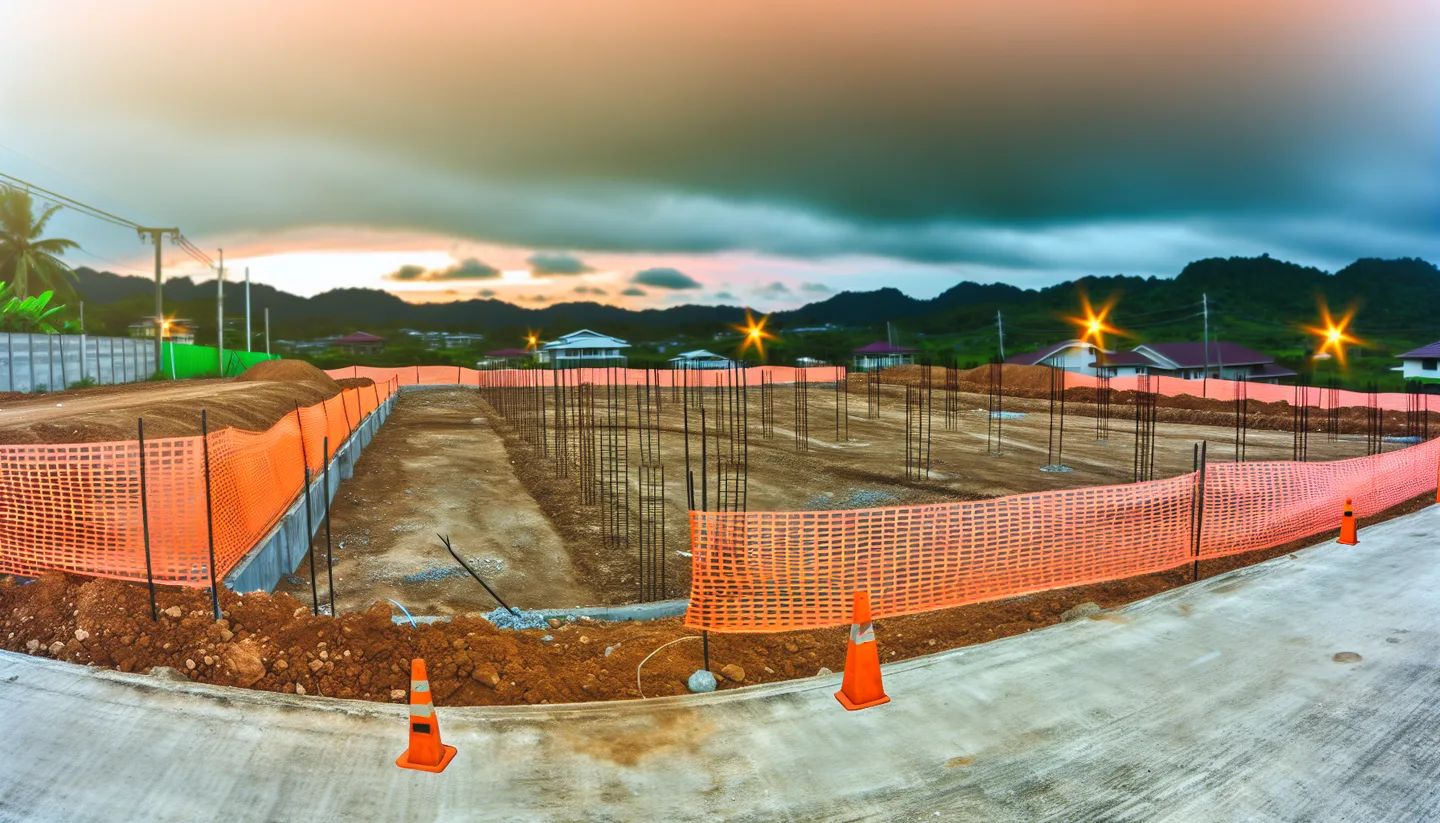
The process of selling land to a developer is not without its risks. Being aware of common pitfalls before you start can save you time, money, and frustration.
Extended contingency periods. Developers are skilled negotiators. In the process of selling, they may tie up your property under contract for months while completing feasibility studies, leaving you unable to entertain other offers. Always negotiate a firm contingency removal deadline.
Underpricing due to lack of information. If you don't know the current market value of undeveloped land in your area, you may accept less than your parcel is worth. Before you market your land, research market trends and recent sales of similar properties to establish a realistic floor price.
Environmental liability. Under federal Superfund law (CERCLA), current and former property owners can be held liable for hazardous substance cleanup, even if they didn't cause the contamination. Conducting a Phase 1 Environmental Site Assessment before selling to a developer protects you and can actually speed up the transaction by resolving questions early. You can learn more about seller obligations through the EPA's guidance on landowner liability.
Low-ball offers on vacant lots. A vacant lot in a desirable area may have significant potential for development that a developer's initial offer doesn't reflect. Don't accept the first number without doing your homework.
Transfer taxes and closing costs. Most states charge a deed transfer tax on the sale of your property. Florida charges $0.70 per $100 of sale price, while Pennsylvania imposes a combined 2% state and local transfer tax. Factor these costs in when evaluating net proceeds.
Planning consultants and entitlement delays. If your parcel requires rezoning or permitting before a developer can proceed, that timeline can stretch considerably. Some landowners work with planning consultants to advance entitlements before going to market, which can increase the property's value substantially.
Selling Land To A Developer FAQ
How much will a developer pay for land?
There is no universal answer, since developers price land based on what they can build and what that project will be worth when complete. They work backward from projected revenue, subtracting construction, permitting, and carrying costs to arrive at what they can pay. Market value for development land varies widely by location, zoning, size, and access. The best way to establish a realistic price range is to review recent comparable sales in your area and, ideally, consult a real estate professional who specializes in land transactions.
How to avoid paying capital gains when selling land?
One of the most effective strategies is a 1031 exchange. Under IRC Section 1031, you can defer federal capital gains tax by reinvesting your sale proceeds into a like-kind property of equal or greater value. The IRS requires that you identify a replacement property within 45 days of closing and complete the purchase within 180 days. Proceeds must be held by a Qualified Intermediary -- you cannot take direct receipt of the funds. For more detail, review IRS guidance on like-kind exchanges. A tax advisor can help you determine whether a 1031 exchange fits your situation.
Are you thinking about selling your land?
If you are weighing your options, start by understanding what your parcel is worth in its current state and what it could be worth to a developer. A land sale to a developer often nets more than selling to a private buyer, since developers are paying for potential, not just present use. Gather your survey, title documents, and zoning information first. That groundwork makes every subsequent conversation more productive.
Can you sell land to a developer without a solicitor?
In the United States, there is no legal requirement to hire an attorney to close a land sale, though it is strongly advisable. A real estate attorney can review the purchase agreement, flag unfavorable contingencies, and ensure the title transfers cleanly. For complex deals involving rezoning, commercial real estate components, or environmental issues, having a real estate agent and legal counsel on your side is worth the cost. Since developers typically have experienced legal teams representing their interests, you should have knowledgeable representation too.
Do you own land and are wondering, "How do I sell my land to a developer?"
Start by evaluating your parcel's potential land uses under local zoning rules. A vacant land parcel near growing infrastructure or commercial corridors may attract significant developer interest. Research who is actively building in your region and reach out directly, or list through a platform that targets development-focused buyers. A successful sale comes down to preparation: know your numbers, understand your local zoning, and have your documentation ready before the first conversation.
Your Options for Selling Land To A Developer
Selling land to developers can be a straightforward and financially rewarding process when you go in prepared. Understanding the pitfalls of selling land -- from extended contingencies to environmental assessments and transfer taxes -- puts you in a much better position to negotiate confidently. Developers are skilled at identifying value, and the more informed you are, the more effectively you can represent your own interests.
If you are ready to explore your options or simply want to understand what your parcel might be worth to a developer, feel free to reach out. We are happy to have a no-pressure conversation and point you in the right direction.
Need to sell your land? We buy land directly from owners for cash, with no fees, no commissions, and we close in as little as 2 weeks.
Loading form...
Sell Your Your Area Land for Cash
Ready to sell? We buy land directly from owners across Your Area. Get a fast, no-obligation cash offer.