

Legal Documents For Selling Land: What Landowners Should Know
How to Sell Land
Selling land involves more than agreeing on a price. A successful transaction requires the right legal documents to transfer ownership from the seller to the buyer, protect both parties, and satisfy county recording requirements. Unlike selling a home, which typically involves a mortgage lender's document checklist, a land sale can feel less structured, but the paperwork is just as important.
When you are ready to sell, the core documents you will need include a deed, a purchase agreement, and depending on how the deal is structured, possibly a land contract. The sale price, payment terms, and any contingencies all need to be spelled out in writing before anything is finalized. Whether you need to sell quickly or are taking your time finding the right buyer, having your documents in order from the start will save you headaches later.
Why Legal Documents For Selling Land Matter for Landowners
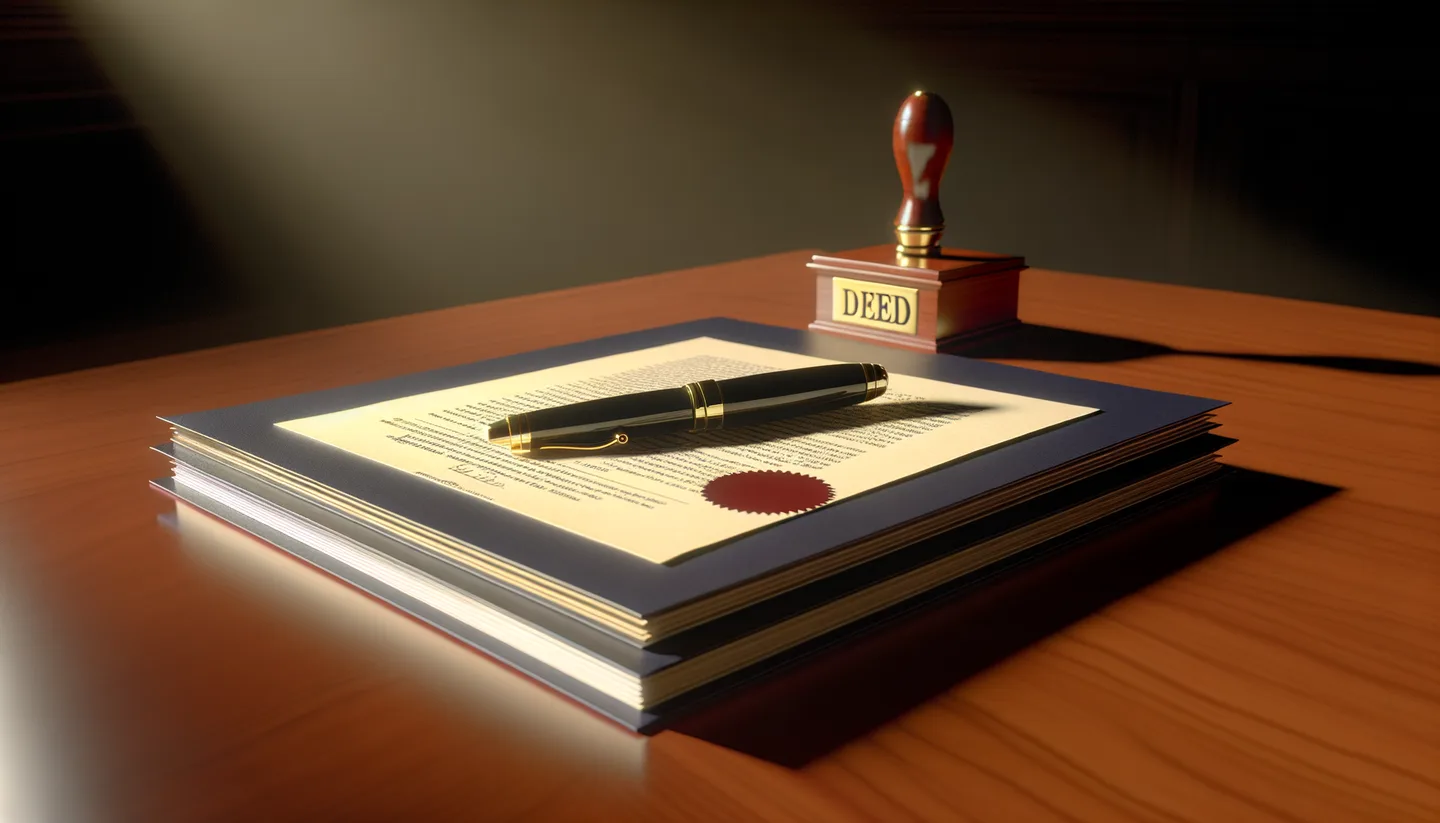
If you are looking to sell your land, the paperwork is not just a formality, it is the foundation of a legally sound transaction. Real estate documents establish who owns the land, what is being transferred, and under what terms of the sale the deal will close. Without them, a buyer has no legal right to purchase the property, and you have no proof the sale ever happened.
Understanding the documents needed to sell land starts with knowing what each one does. A title deed, for example, is the document that proves ownership of the property. Before you list your property anywhere, whether you plan to work with an agent or go the sale by owner route, you need to confirm that this document is in your name and free of liens.
A purchase agreement is another required document. This written contract outlines the terms agreed upon by both the buyer and seller before the agreement is signed and the closing process begins. It covers the sale price, the closing timeline, and any contingencies. If you choose to sell land by owner, you are responsible for making sure this document is complete and legally enforceable.
Beyond ownership and price, there are documents needed to sell that relate to boundaries and use. A survey showing property lines helps prevent disputes after the sale. Zoning records and any easements affecting the parcel should be disclosed to the buyer as well.
Title issues are more common than many landowners expect. According to the American Land Title Association, title defects impact nearly 25% of real estate transactions. That statistic alone makes a strong case for reviewing all real estate documents carefully before you sell property. A bill of sale may also be needed in some states to document the physical transfer of any personal items included in the deal.
Whether you own a residential property in a suburb or a remote parcel in a rural county, the documents are needed to sell real estate are similar across the board. Selling land without the correct paperwork in place puts both sides of the transaction at risk. If you want a smooth sale, start gathering your documents well before you list your land or accept any offer.
Navigating Legal Documents For Selling Land

Once you understand why the paperwork matters, the next step is knowing what each document actually does. Here is a practical look at the important documents involved when selling a property like yours.
The Deed
The deed is the legal document that transfers title to the property from you to the buyer. There are three main deed types used in land sales across the United States. A General Warranty Deed offers the buyer full guarantees that the title is clear. A Special Warranty Deed covers only the period when you owned the parcel. A Quitclaim Deed transfers whatever interest you have without any guarantees at all. Most buyers prefer a Warranty Deed because it offers the strongest protection, but the right choice depends on your situation. When you pair the agreement and deed together, you have the two core instruments of any land sale.
The Land Purchase Agreement
Also called a purchase contract, the land purchase agreement sets out all the terms of the transaction in writing before closing. It includes the sale price, any contingencies (such as a financing or survey condition), and the scheduled closing date. This is typically the first binding document in the process. A real estate agent can help you draft one, or you can work directly with a title company or attorney.
Title Search and Insurance
Title companies conduct a title search to confirm the property deed is clean and that no one else has a legal claim to the land. According to Fannie Mae research cited by First American Title, the average cost of title insurance is approximately 0.42% of the purchase price. For vacant land, which often has longer ownership histories, a thorough title search is especially important before you list your parcel for sale.
Survey and Property Tax Records
A boundary survey confirms the exact dimensions of the parcel. Documents related to property tax payments, especially any showing unpaid balances, will also come up during the title process. Buyers and their lenders want to know that property taxes are current before taking possession of the property. Keeping these records organized helps establish land value and speeds up the closing timeline.
Working with title companies and, in some states, a real estate attorney is the most reliable way to make sure all property sale documents are correctly prepared and recorded with the county.
Common Challenges With Legal Documents For Selling Land

Even well-prepared sellers run into obstacles. Knowing where problems typically arise can help you avoid delays and protect the value of your property.
Unclear Legal Descriptions
One of the most frequent issues in a land sale is an inaccurate or outdated legal description of the property. The legal description is the formal written definition of a parcel's boundaries, different from a street address, and it must match the description in county records exactly. If the description of the property in your deed does not match current survey data, closing can be delayed until the discrepancy is resolved. A licensed surveyor can update the legal description before you list.
Title Defects and Property Ownership Gaps
Gaps in the chain of property ownership are another common problem. These can result from heirs who were never formally added to a deed, old liens that were never released, or errors made during a previous sale. The process of selling land with title defects requires clearing those issues first, which can take weeks or months. This is why pulling a title search early in the selling process is so valuable.
Missing or Incomplete Documents
Many sellers underestimate how many documents are involved. Essential documents like the purchase agreement, deed, disclosure forms, and survey all need to be present and correct before closing. A missing land survey, for example, can hold up a deal when the buyer's lender or title company requires one. Keep a complete list of documents specific to your county and state requirements well before the closing date approaches.
Disputes Over Purchase Price and Terms
When buying or selling real estate, disagreements over the purchase price or contingencies sometimes surface after a contract is signed. If those terms were not documented clearly, disputes become harder to resolve. Relying on verbal agreements in a land sale is a significant risk, every important term should be in writing and reviewed by a qualified professional.
A property owner selling without professional guidance is more exposed to these issues. Consulting a real estate attorney or experienced title professional early in the selling process can prevent costly surprises and help you close with confidence.
Frequently Asked Questions About Legal Documents For Selling Land
How to avoid paying capital gains when selling land?
One of the most widely used strategies when selling your property is a 1031 exchange. Under IRS rules, a 1031 exchange allows you to defer capital gains taxes by reinvesting the proceeds from your land sale into a like-kind replacement property. To qualify, you must identify the replacement property within 45 days of closing and complete the purchase within 180 days. The proceeds must be held by a Qualified Intermediary, you cannot take direct receipt of the funds. Keep in mind that a 1031 exchange is tax-deferred, not tax-free, according to the American Bar Association. You can review the IRS guidelines directly at IRS Topic No. 409 for current capital gains rates and rules.
What are the four legal documents?
The key documents in most land transactions are the purchase and sale agreement, the deed, the disclosure form, and the title report. The purchase and sale contract formalizes the agreed terms between you and the buyer. The deed transfers legal ownership at closing. A seller disclosure covers known conditions or defects affecting the parcel. The title report confirms the chain of ownership and flags any liens. Depending on your state, additional essential paperwork, such as a survey or transfer tax form, may also be required to sell the property legally.
Are tax records necessary when selling land?
Yes. Property tax records help confirm that taxes are current and that there are no outstanding balances that could cloud the title. Beyond local taxes, federal reporting requirements also apply. Under federal law, most land sales must be reported to the IRS using Form 1099-S, which is typically filed by the closing agent. Sellers must also report the sale on IRS Form 8949 and carry the totals to Schedule D. You can find detailed guidance on federal reporting at the IRS Form 8949 page. Ignoring these obligations can create legal issues well after the land sale closes.
Are there risks involved in selling land without legal help?
Significant risks exist when you sell your land without professional guidance. A poorly drafted sale contract can leave terms open to dispute. Missing or incorrect disclosure language can expose you to liability after closing. Title defects that go unnoticed can unwind a sale entirely. A real estate attorney can review your sale agreement, identify legal requirements specific to your state, and help protect you from claims related to personal property or boundary disputes. For complex transactions, especially those involving heirs, easements, or back taxes, professional legal help is not optional, it is essential. Land buyers, for their part, will often require proper documentation before they proceed, making attorney involvement beneficial for both sides.
Your Options Regarding Legal Documents For Selling Land
Selling land on your own is absolutely possible, but it requires careful attention to paperwork. A real estate purchase agreement, a clean deed, current tax records, and proper disclosures are the foundation of any successful transaction. Closing costs also need to be accounted for and agreed upon in advance, these can vary significantly depending on your state and the deal structure.
If you choose to sell land by owner, make sure every document is reviewed before signing. A purchase agreement that is vague or incomplete can create problems that outlast the closing table.
If you would like to learn more about your options or simply want to talk through your situation with someone experienced in land sales, feel free to reach out. There is no pressure, just straightforward information to help you move forward with confidence.
Need to sell your land? We buy land directly from owners for cash, with no fees, no commissions, and we close in as little as 2 weeks.
Loading form...
Sell Your Your Area Land for Cash
Ready to sell? We buy land directly from owners across Your Area. Get a fast, no-obligation cash offer.