
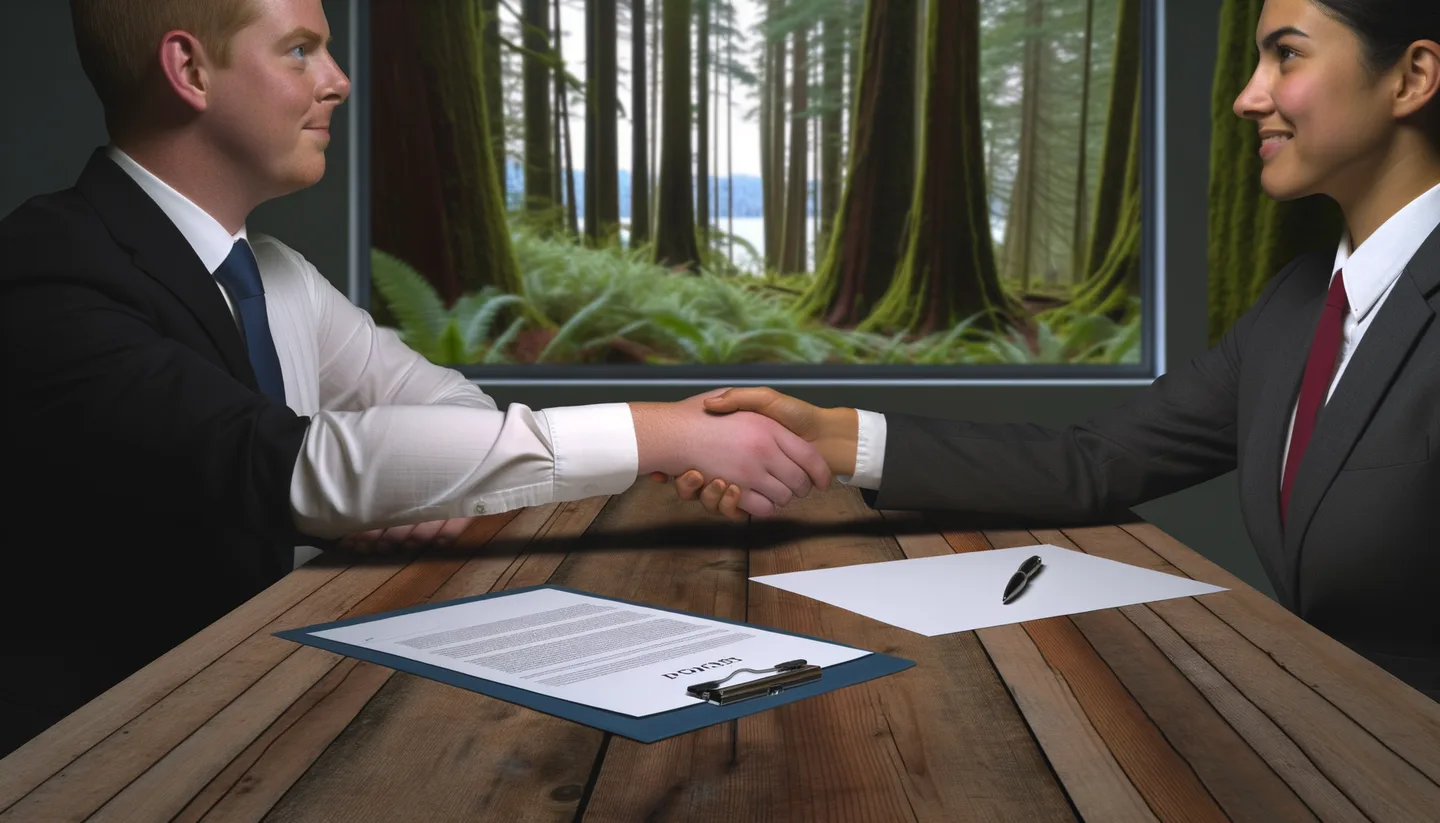
Sell Land Without A Realtor: Guide for Landowners
Understanding Selling Land Without A Realtor
Selling vacant land without a realtor is completely legal in every U.S. state, and thousands of landowners do it successfully each year. The process is commonly called FSBO, short for "For Sale By Owner," and it means you handle pricing, marketing, and closing the deal yourself. Done right, it can be a smart and rewarding way to sell your property on your own terms.
Going without a realtor does require some effort on your part. You will need to research comparable sales to understand the value of land in your area, prepare the right documents, and find qualified buyers on your own. None of these tasks are impossible, but understanding them before you start makes the entire process smoother.
A strong land listing, accurate pricing, and clear communication can make your land stand out to serious buyers. If you have ever thought about selling a property without professional help, this guide walks you through what that looks like from start to finish. The goal here is simple: give you the knowledge you need to move forward with confidence, whether you ultimately decide to go it alone or explore other options.
Selling Land By Owner: Background and Context

Understanding the full picture before diving in is one of the most important steps to selling land successfully. Selling land without a real estate agent is not new, but it has become increasingly accessible thanks to online tools, land marketplaces, and digital closing services that did not exist a decade ago.
One of the biggest reasons landowners choose to sell without using a realtor is cost savings. Without a realtor can save sellers a significant amount at closing. According to Landmodo, selling land without a realtor can save you the 5-10% commission that a real estate agent would typically charge on a land sale. On a $100,000 parcel, that is $5,000 to $10,000 staying in your pocket rather than going toward realtor fees.
Beyond the financial side, selling land without an agent involves a different kind of process than selling a residential property. Land transactions tend to attract a specific type of buyer: developers, farmers, investors, and individuals looking for recreational or future-use property. Most land buyers will make offers based on comparable land sales, zoning details, access to utilities, and road frontage, not on curb appeal or interior finishes. Understanding what motivates a land buyer helps you market and price the parcel more effectively.
When you list your land independently, you take on the responsibilities an agent would normally handle. That includes researching the right price for your land, writing a compelling description, gathering documentation, and responding to inquiries. Steps to sell the property yourself are manageable, but they do take time and attention. Many sellers who need to sell quickly find that preparation is the key difference between a smooth transaction and a frustrating one.
Marketing land to the right audience is also different from marketing a home. Online land marketplaces, social media groups, local classified ads, and outreach to a land investor or developer network are all viable channels. Paperwork for selling land, including the deed, title report, and purchase contract, must be organized before you accept any offers.
Working with a realtor does offer convenience, but it is not the only path. Many landowners learn how to sell their land without involving a realtor by doing their homework upfront and using available resources wisely. The steps to selling land are straightforward once you know what to expect, and this guide is designed to help you get there. Without an agent, success comes down to preparation, realistic pricing, and reaching the buyers who are genuinely interested in what you are offering.
It is also worth knowing that most banks will not finance raw land purchases, which means working with a real estate attorney and offering straightforward sale can open up your pool of potential buyers considerably, attracting motivated purchasers who are ready to move forward.
Step-by-Step: How to Sell Land Without A Realtor

If you want to sell your property without professional representation, having a clear plan makes the process far less overwhelming. Here is a practical breakdown of how to sell vacant land without a realtor from start to finish.
Step 1: Gather Information About the Land You Want to Sell
Start by collecting every relevant detail about the parcel of land: its legal description, acreage, zoning classification, access points, any easements, and whether utilities are available. Pull a current property tax statement and check for any liens. Buyers will ask these questions early, and having answers ready speeds up the sale process significantly.
Step 2: Research and Set Your Asking Price
Pricing is one of the most critical steps when you sell vacant land independently. Look at recent sales of comparable parcels in your county, paying attention to size, location, and zoning. Online platforms and your county assessor's website can be helpful starting points. Set a realistic asking price for the land based on the data you find, not just what you hope to receive. Overpricing is one of the most common reasons FSBO land sits unsold for months.
Step 3: Prepare Your Documents
Before marketing your land, organize the paperwork. This typically includes the current deed, a recent survey (if available), the title report, tax records, and any disclosures required by your state. Having these ready signals to potential buyers that you are a serious seller.
Step 4: Market the Property
Marketing your land to the right audience is essential. List the property on land-specific marketplaces, post in local Facebook groups, and consider a simple "For Sale" sign at the property. Write a clear, accurate description that highlights key features. Good photos and, when possible, aerial images help attract buyers who buy vacant land remotely, which is more common than many sellers expect.
Step 5: Negotiate and Accept an Offer
When potential buyers reach out, respond promptly and be prepared to negotiate. Know your bottom line before conversations begin. Once you agree on a sale price, get the terms in writing immediately.
Step 6: Close the Sale
To sell your land without making legal mistakes, consult a real estate attorney when selling and closing the deal. A real estate attorney can draft or review the purchase contract, advise on required disclosures, and guide you through closing. According to Landmodo, attorney fees for a FSBO land sale contract typically run $200-$500, which is a modest cost for the protection it provides. A title company will handle the final transfer, ensuring the deed is recorded properly and both parties are protected.
Potential Challenges With Vacant Land

Selling a piece of land comes with a unique set of challenges that catch many first-time sellers off guard. Understanding these obstacles ahead of time helps you plan around them and avoid unnecessary delays.
Land Is Different From Other Property Types
Selling a piece of land is fundamentally different from selling a home. There are no interior photos to showcase, no open houses to draw weekend traffic, and no emotional appeal tied to a kitchen renovation. Buyers interested in buying land are typically analytical, focused on utility, zoning, access, and long-term potential. That means your marketing strategy and negotiating approach need to reflect those priorities rather than mirroring what works for residential sales.
Financing Is Harder for Buyers to Obtain
Most traditional lenders will not finance raw or vacant land, which narrows the pool of buyers who can complete a land purchase using a conventional mortgage. This does not mean buyers are not out there, but it does mean that many of the people who respond to your listing may need straightforward sale or must pay in cash. Offering seller financing can help sell land by owner faster, but it also means you take on the role of lender, which comes with its own documentation requirements.
Pricing Can Be Difficult
Unlike residential sales, comparable land data can be sparse in rural or undeveloped areas, making it harder to know that your land is priced correctly. Overpricing slows everything down, while underpricing leaves money on the table. Consider hiring an independent appraiser if comparable sales are hard to find in your area.
Time on Market Can Be Longer
The time to sell land often exceeds the time needed for a residential transaction. Buyers may need to conduct due diligence such as soil testing, surveying, and environmental checks before committing. Factor this into your timeline and be patient.
Should You Hire a Realtor Instead?
There are situations where it may make sense to hire a real estate professional. If your property is complex, has title issues, or is located in a market you are unfamiliar with, you might decide to hire a realtor to reduce your risk. Some sellers also find that a sale without a realtor simply takes more time than they have available. That is a valid consideration, not a failure. The decision to sell your land directly or with help should come down to your comfort level, timeline, and the complexity of the transaction.
Selling a house and selling a piece of land require different skills, and knowing when to ask for help is part of making a smart decision. If you are selling a house, the FSBO process is well-documented. Selling land by owner adds another layer of complexity that is worth acknowledging from the start.
Selling Land Without A Realtor FAQ for Landowners
What is the best way to sell a piece of land?
The best approach depends on your timeline and goals. A sale by owner gives you the most control and eliminates realtor commissions, but it requires you to handle pricing land, marketing, and paperwork yourself. If speed matters most, working with a land buying company or a cash buyer can close the transaction in as little as 2 weeks. If maximizing your return is the priority, taking time to list the property on multiple online platforms and pricing it accurately tends to yield the best results. There is no single right answer, only the approach that fits your situation.
Do I have to have a realtor to sell land?
No. You are not required to use a real estate agent to sell your land in any U.S. state. Selling without an agent is a legal and common option known as FSBO, or For Sale By Owner. You will need to handle the sale by owner process yourself, including preparing documents, marketing the property, and coordinating closing, but none of that legally requires professional representation. Many landowners handle the entire selling process successfully on their own.
Can I sell your land without a realtor?
Yes, you can sell land without a realtor in every U.S. state. To sell land without a realtor effectively, you will need to research comparable sales, prepare the required paperwork, market the parcel to potential buyers, and coordinate closing through a title company. Vacant land properties can be more challenging to market than homes, but online land marketplaces have made it much easier to reach buyers nationwide. Many landowners find the process straightforward once they understand what is involved.
Can I sell your land without hiring a realtor?
Absolutely. Selling land without a realtor is a well-established option across the country. You will want to make sure you have a solid land purchase agreement in place before closing, and that you understand your state's disclosure requirements. A land purchase handled without an agent still needs a legally valid purchase agreement, proper deed transfer, and accurate reporting of the sale for tax purposes. Using a title company and consulting an attorney for the contract are smart moves even when you are managing the sale yourself. If you want to sell your land quickly, connecting with a land buying company or cash investor can significantly shorten your timeline.
Do I need a real estate attorney to sell your land myself?
You are not legally required to use a real estate attorney without a real estate agent in most states, but it is strongly recommended. An attorney can draft or review your purchase agreement, flag any title issues, advise on required disclosures, and guide you through closing. According to Landmodo, attorney fees for this typically run $200-$500, which is a small investment compared to the cost of a legal mistake. Some states do require attorney involvement at closing, so check your local rules. Keeping up with property taxes and understanding how the IRS requires you to report the sale, including using Form 8949 and Schedule D, are also important steps. Get your land sold the right way by getting proper legal guidance even if you handle everything else yourself.
Ready to Sell Land By Owner? Next Steps
A successful land sale does not happen by accident. It takes preparation, realistic pricing, targeted marketing, and the right paperwork for selling land in order. The good news is that every step in this guide is something you can handle with the right information and a bit of patience.
If you have worked through the process and still have questions, or if you want a faster path to a successful land sale without managing all the details yourself, we are here to help. We buy land directly from owners across the United States, and we can often close a land sale in as little as 2 weeks with no commissions and no hidden fees.
Feel free to reach out and share some basic details about your property. There is no obligation, and getting a straight answer about your options costs you nothing. Sometimes the best next step is simply starting a conversation.
Need to sell your land? We buy land directly from owners for cash, with no fees, no commissions, and we close in as little as 2 weeks.
Loading form...
Sell Your Your Area Land for Cash
Ready to sell? We buy land directly from owners across Your Area. Get a fast, no-obligation cash offer.